
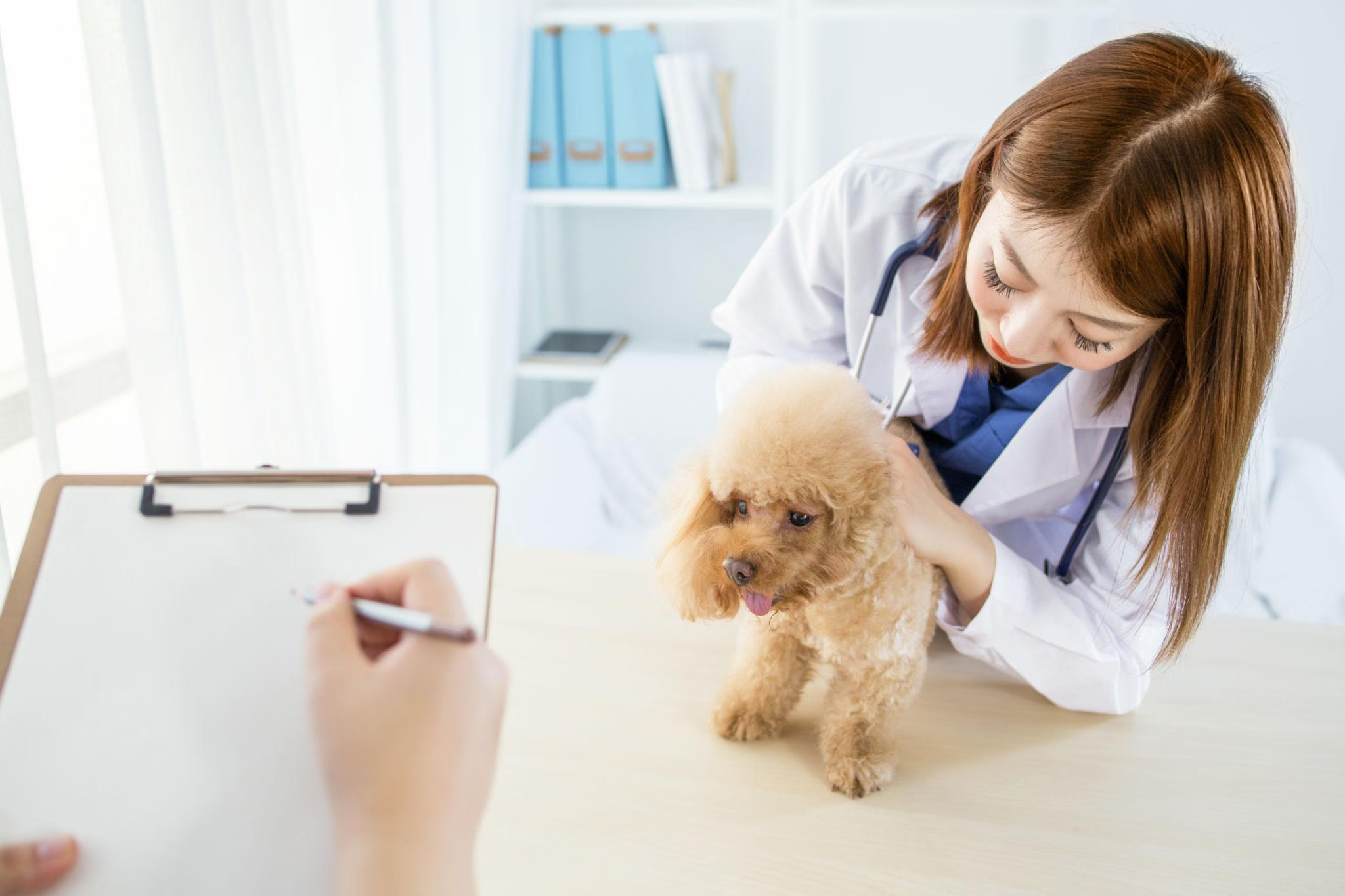
What does 24-hour veterinary care mean?
A 24-hour service suggests a provider accepts emergency cases at any time, but opening hours, phone advice, in-clinic examination, overnight staffing and acceptance policies vary. A routine check-up, vaccination, nutrition question or general care discussion is not the same as emergency clinical treatment. Call the clinic directly to confirm that it is open and accepting urgent cases.
- Search listings may have outdated hours or phone numbers; verify them by calling.
- An initial phone conversation is not an examination or diagnosis.
- No emergency veterinarian, clinic or referral partnership operated by Kore Poodle has been verified in this project.
Signs that may need emergency assessment
The following signs may need urgent veterinary assessment. This is not a diagnosis or a complete list. If your pet is deteriorating quickly, appears to be in severe pain, or you are unsure what to do, call the nearest open veterinary clinic immediately.
- Difficulty breathing, obvious respiratory distress, or pale or bluish tongue/gums.
- Fainting, collapse, loss of consciousness, inability to wake, or severe weakness.
- Uncontrolled or heavy bleeding, a serious wound, or major trauma such as a fall or vehicle impact.
- A seizure, especially one that is prolonged or repeated, or failure to return to normal afterward.
- Possible ingestion of medication, chemicals, plants or another potentially toxic substance.
- Straining to urinate without producing urine, or marked difficulty urinating.
- Repeated vomiting, bloody vomit/stool, or other rapidly worsening signs.
What to do in an emergency
If an emergency sign is present, do not wait for a reply from this website. Call a nearby open emergency veterinary clinic, describe what is happening and follow the clinic's instructions. Plan transport while considering your own safety and your pet's condition.
- For breathing difficulty, collapse, uncontrolled bleeding, seizure, major trauma or suspected poisoning, contact a clinic immediately.
- If trauma or a possible spinal/bone injury is involved, avoid unnecessary movement and ask the clinic for transport guidance.
- Do not give human medication, induce vomiting or try a home treatment unless a veterinarian specifically directs you to do so.
- During a seizure, do not put your hands or objects in the pet's mouth; keep a safe distance, clear nearby hard objects and call the clinic.
- If possible, have one person call while another prepares safe transport.
Information to have ready when you call
Clear, factual information can help the clinic guide the phone conversation. If you do not know an answer, say so rather than guessing. This does not replace telephone triage or an in-person examination.
- Your pet's species, age, approximate weight and relevant health history.
- The signs you see, when they started and whether they have changed.
- Current medications, known allergies and previous veterinary records.
- For possible toxin exposure: product name and packaging, estimated amount and time of exposure.
- Your location and estimated travel time to the clinic.
Routine questions and non-emergency care
Routine examinations, vaccination schedules, nutrition, behavior and general care questions can often be handled through a regular veterinary appointment. If signs are new, getting worse or accompanied by a clear change in your pet's overall condition, call a clinic to ask how urgently your pet should be seen. This page cannot diagnose or determine urgency remotely.
Make an emergency plan in advance
Having clinic information ready can reduce stress in an urgent situation. Verify nearby clinics' hours, emergency acceptance and travel options through their own current information. Keep those details updated because schedules and availability can change.
- Save the current phone number and address of one or more nearby emergency veterinary clinics.
- Ask whether the clinic is open now, wants advance notice and accepts your pet's species.
- Keep vaccination, examination, medication and important health records accessible.
- Prepare a suitable carrier or leash and a backup transport plan.
- Kore Poodle has no verified emergency line or clinic in this project; a social message or general website is not an emergency channel.
Scope and sources
This guide is general information, not veterinary diagnosis, telephone triage or treatment. If you think signs may be urgent, contact a local veterinary clinic immediately. Medical guidance here is limited to AVMA and VCA emergency-care and first-aid resources. Google's pages are editorial guidance for useful content, not veterinary sources.
Frequently asked questions
- Does this page list a 24-hour Kore Poodle veterinary service?
- No. The project has not verified a 24-hour clinic, veterinarian, on-call service or partner clinic operated by Kore Poodle. This is a guide to finding an independent emergency provider.
- Which signs mean I should call an emergency veterinary clinic?
- Difficulty breathing, collapse or loss of consciousness, uncontrolled bleeding, seizure, serious trauma, suspected poisoning or inability to urinate may require urgent assessment. If in doubt, call a nearby open clinic immediately.
- How can I find a vet open at night?
- Call nearby clinics and directly confirm that they are open and accepting emergency cases now. Do not assume search listings are current; this page does not provide a local clinic directory or verified emergency phone number.
- Can phone advice replace a veterinary examination?
- No. A phone call may provide initial direction, but it is not a diagnosis or examination. If an emergency sign is present, follow the clinic's instructions and go in when advised.
- Should I make my pet vomit if poisoning is possible?
- Do not induce vomiting or try a home treatment unless a veterinarian specifically tells you to. Keep the packaging, note the substance, possible amount and time of exposure, and call a veterinary clinic immediately.
- Can I give my pet a human medication before reaching a vet?
- Do not give human or other household medication without veterinary direction. The wrong medication or amount can be dangerous. Call a clinic and ask what to do.
- How should I transport my pet to an emergency clinic?
- Call the clinic first and ask for transport guidance. If injury or spinal damage is possible, avoid unnecessary movement. Protect yourself from bites according to your pet's behavior and use safe transport equipment.
- How much does an emergency veterinary visit cost?
- This site has no verified clinic or fee information. Costs vary by provider, time and required assessment; call the clinic to ask about fees and payment terms. Do not delay contacting a clinic to search this website for a price.
- What information should I have ready when I call?
- Share your pet's species and age, signs, when they started, known conditions, medications and your location. For suspected poisoning, include the product name or packaging, estimated amount and time of exposure.